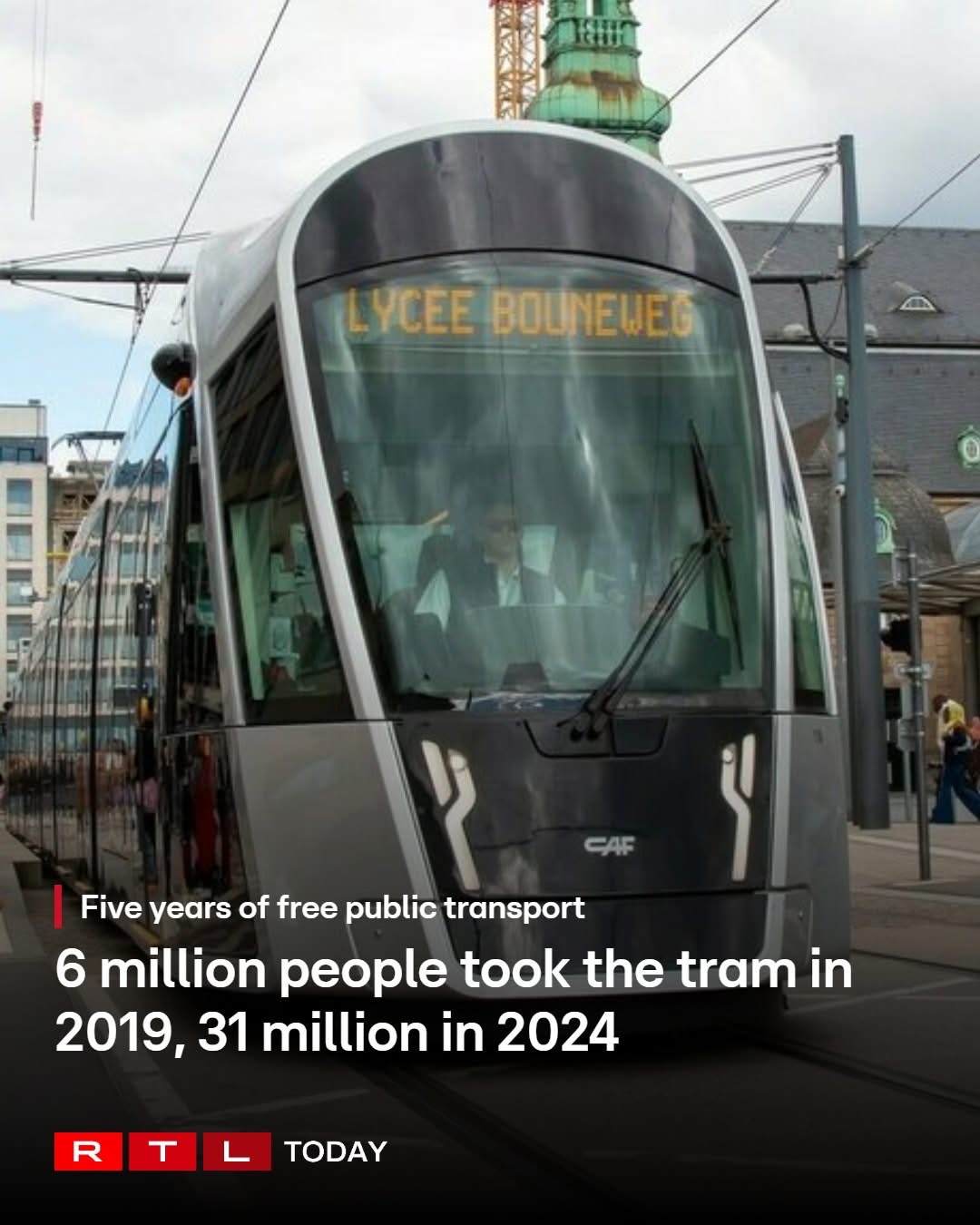
Belgrade is set to offer free public transit for all residents beginning January 1, 2025.
The offer means "no one will have to pay for a ticket anymore," the mayor of the Serbian capital, Aleksandar Sapic, announced on Wednesday.
The city with 1.7 million residents is one of the few major European capitals without an underground system.
But it is not the first in Europe to have made public transport free — with others like Luxembourg and Estonia's Tallinn already having done so.
Belgrade has a high density of cars, with residents facing hours of gridlock as they move about the city.
The number of cars has increased by 250,000 over the past decade, Sapic noted.
Even though authorities have promised a metro system by 2030, the plan has faced many delays that have stalled the project so far.
Sapic also vowed to fully replace the city's fleet of buses, trams and trolleybuses by 2027.
The Belgrade tram system has existed since 1892 and has a total length of 127 kilometers, twisted around the city, making it one of the longest networks in Europe.
rm/jsi (Reuters, AFP)
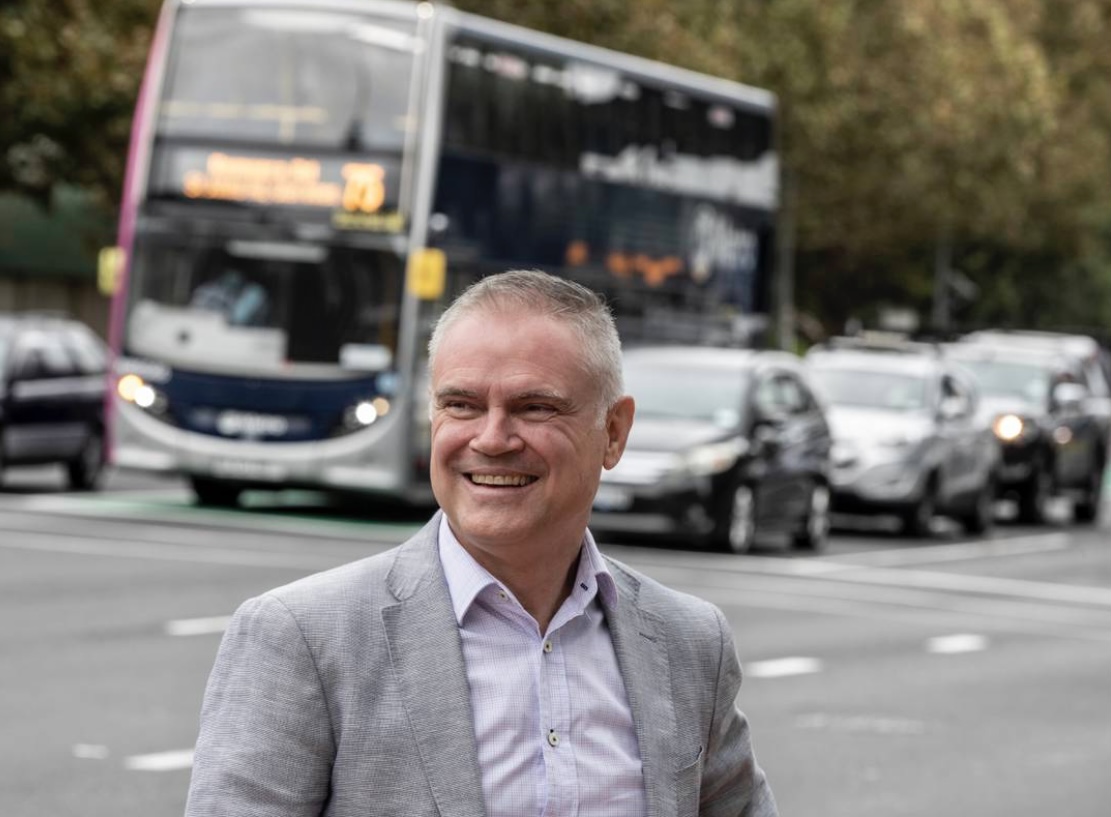
In Simon Wilson’s revealing interview (Weekend Herald, April 22), new Auckland Transport chief Dean Kimpton wonders, “How do we make public transport as much loved as libraries?” Although he correctly identifies many other key ingredients to ending traffic congestion such as “rapid, frequent, safe, clean public transport”, the obvious comparison with libraries that Kimpton overlooks, is to make public transport services free at the point of use.
Roger Fowler,
Fare-Free NZ.
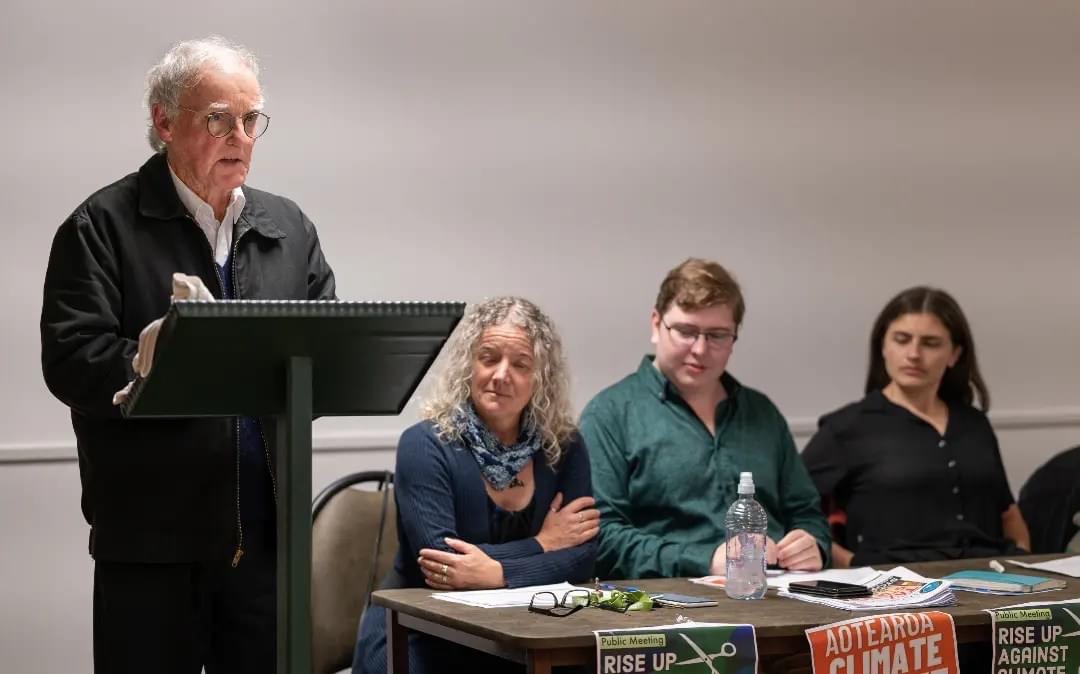
A well-attended ‘Rise Up Against Climate Cuts’ meeting in Auckland on Thursday heard from a range of speakers including GreenPeace climate campaigner Christine Rose, Elliot Crossan from System Change Not Climate Change, Roger Fowler from Fare-Free NZ, Xavier Walsh from Unions Auckland, Takutai Moana Kemp, Te Pati Maori candidate, Joe Carolan for Unite Union, and Green MP Chloe Swarbrick.
Fare-Free NZ spokesperson Roger Fowler said the climate crisis is here now and deadly serious. ‘We need to take this seriously and put the country on a ‘war footing’ to combat climate change.’
Fowler advocated that Free Public Transport can be one effective means to ‘turn around this obsession with cars’ and dramatically cut the number of vehicles, and reduce air pollution and emissions that are a major contributor to global warming.
But it’s not just a matter of zero fares - Free Public Transport will need to have frequent top-quality 24/7 services with an increased fleet of modern zero-emission vehicles, integrated colour-coded routes, free wifi, easy access and ‘Public Transport Ambassadors’ to assist passengers and deter anti-social behaviour - and free up the drivers to focus on their job: getting everyone to where they need to go safely.
To address the shortfall of drivers, Fowler said they need to be respected - ‘treat them like rock stars and pay them like surgeons!’
Funding could start now by diverting the billions of dollars allocated to current and proposed extravagant roading projects, and the ‘National Ticketing System’ (estimated to cost $1.3 billion). Why build more motorways and under-harbour crossings to encourage more traffic when we need to cut traffic volumes?
Other measures should include expanding electrified rail for passengers and freight, boost coastal shipping to get freight off of trucks, expand modern ferry services (also with zero-fares) and upgrade walking, cycling facilities and open public spaces.
Fowler called for building a strong people’s movement to build pressure to demand effective action to combat climate change.
‘We need to make public transport sooo attractive that few people would choose to go by car’ he said.
High quality free and frequent public transport could be that game changer - ‘to dramatically cut traffic congestion, reduce emissions, make roads safer, increase social cohesion, cut travel costs as well as combat climate change.’
By Martyn Bradbury, Daily Blog, August 19, 2022 (Abridged)
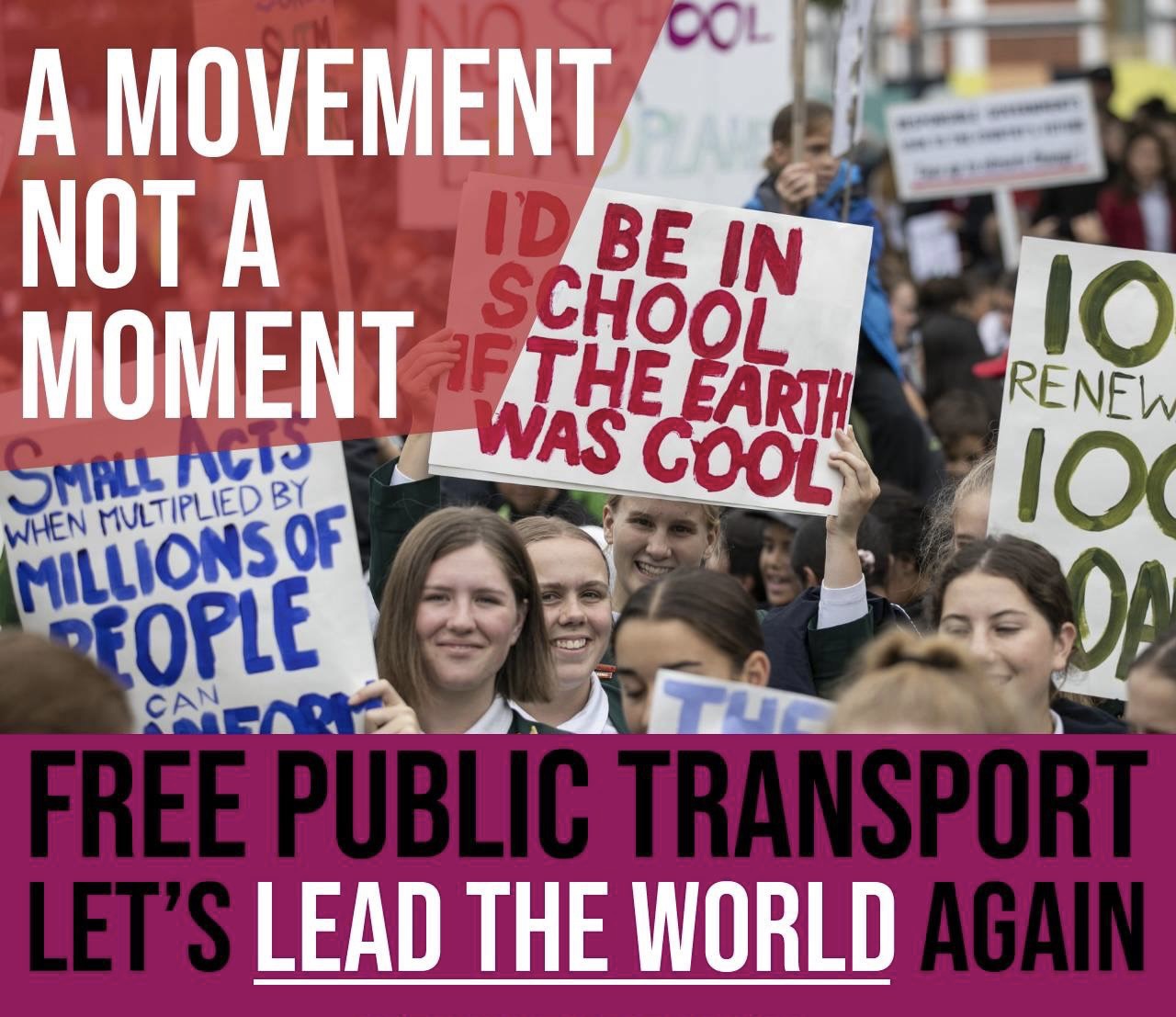
The time for Free Public Transport as a solution to the climate crisis is now.
We urgently need to shift people out of private transport and onto public transport.
This would have an enormous benefit on the poorest amongst us who pay 20% of their wage on transport while taking vast numbers of people off the roads in their cars.
We must nationalise our public transport fleet and look at vast new investment inside cities and intercity.
That includes a vast upgrade on rail.
The Truck industry have had political dominance for too long.
Rather than continue to subside the NZ Trucking Mafia, we should subsidise public transport.
The floods you are seeing, the scorching temperatures, the heat waves – ALL of this is happening at speeds and jumps in temperature far outside where Scientists were expecting.
The climate crisis is here and we aren’t ready.
New China crisis poses fresh global threat as ‘extreme’ disaster unfolds
China is facing its most extreme heatwave in 60 years – and the impact is set to be felt worldwide.
Severe heat and drought has plagued the world’s second-biggest economy for weeks on end, with temperatures soaring above 40C in a string of large cities.
As a result, the unprecedented demand for airconditioning has caused the power grid to buckle, while the drought has also reduced water levels and therefore the ability to generate electricity at hydropower plants.
It’s a nightmare scenario for the nation of 1.4 billion, and has seen some provinces resort to drastic measures.
Free public transport and vast upgrade of that infrastructure is a solution and part of the future’.


